
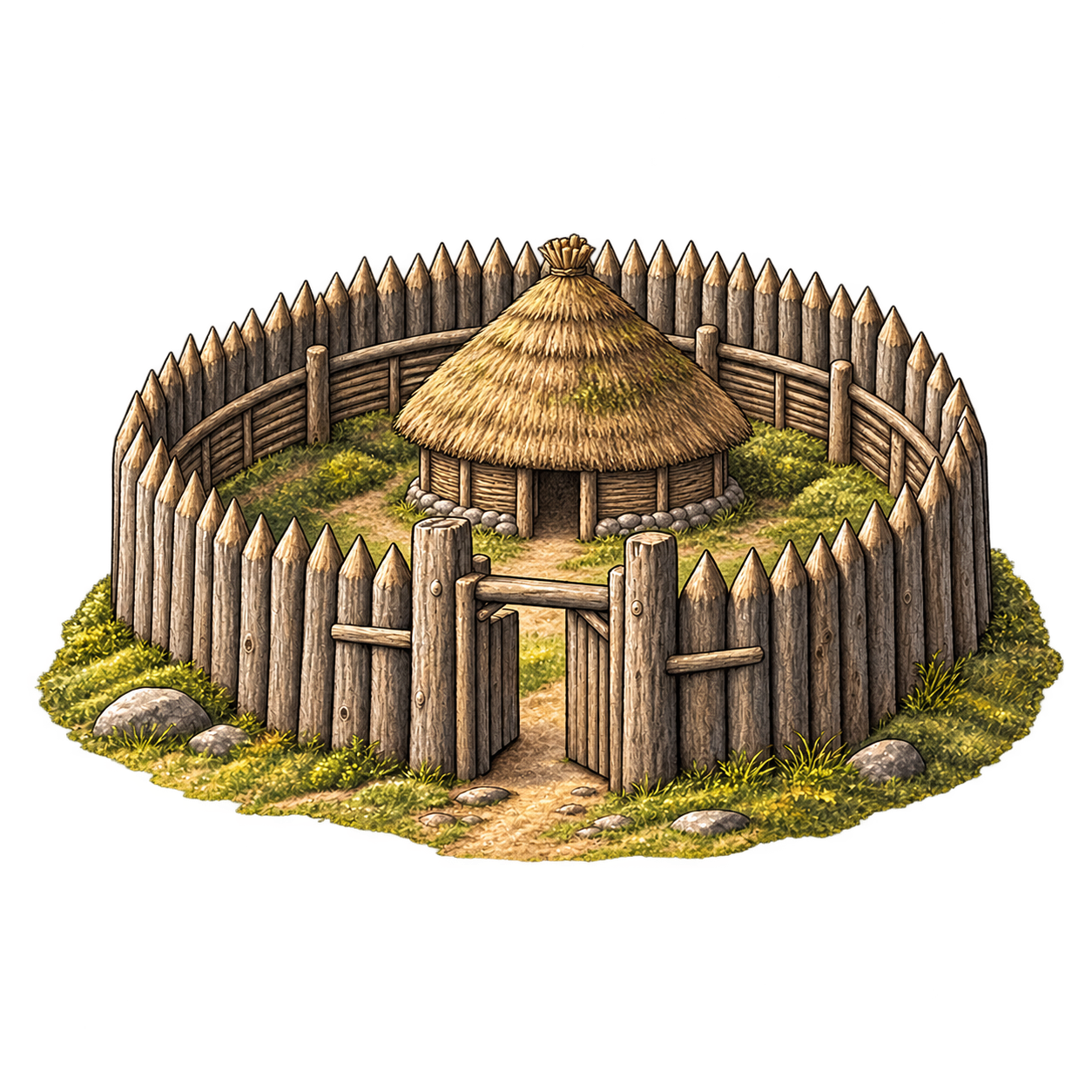
Iron Age
Votadini hill-forts built in the region

info@lordoffentoun.com

A historic Scottish feudal dignity and noble title linking the world of today to that of yesteryear
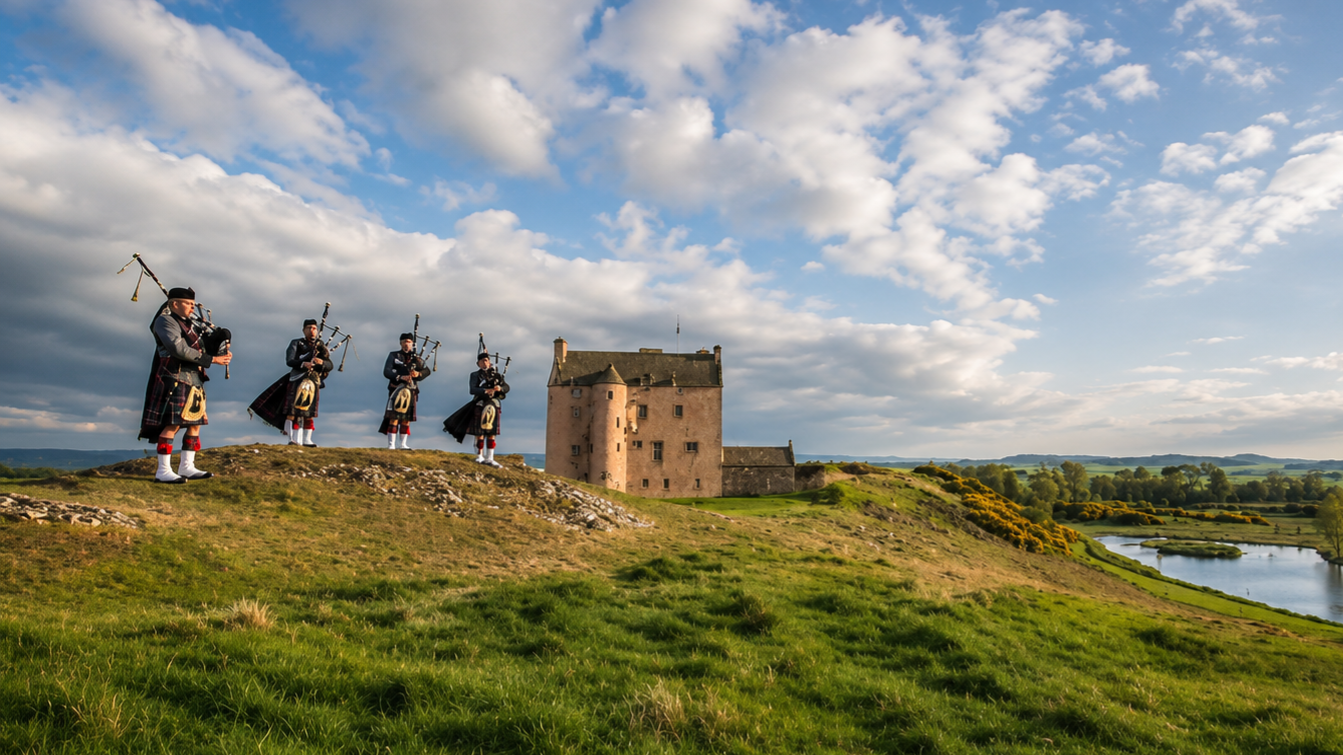

A historic Scottish feudal dignity and noble title linking the world of today to that of yesteryear

The lands around what is now Fenton Tower – a prominent local landmark south of North Berwick and to the east of Edinburgh, on the south side of the Firth of Forth, in the eastern portions of the central lowlands of Scotland – were united into a free lordship and barony called the Lordship of Fentoun in 1618, during the ownership of Thomas Erskine, Viscount of Fenton (later Earl of Kellie). Erskine had received the forfeited Dirleton estates from King James VI of Scotland (who by that point had also become James I of England), and with his king’s pleasure thereupon acquired the additional noble title of Lord of Fentoun.
Today a freestanding feudal dignity separated from its original lands, this noble title has passed through at least 14 holders since 1618, reaching the current Baron of Fentoun in 2026, as announced in the Edinburgh Gazette (official notice) and recorded in the Scottish Barony Register.
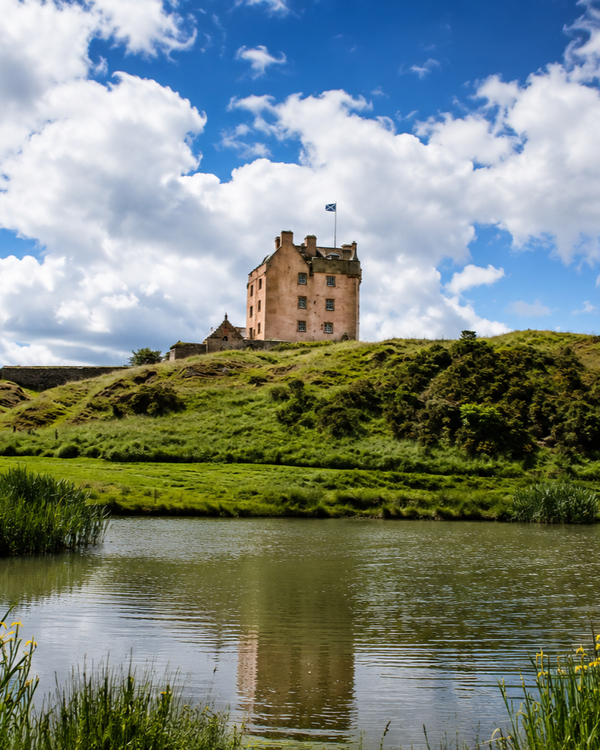
The area around what is now Fenton Tower is rich in Scottish history. Originally part of the Anglo-Saxon kingdom of Bernicia, the area – known until the 20th Century as Haddingtonshire – was ceded to Scotland by King Edgar (“The Peacemaker”) of England (c.944-975) in the 10th Century. Even earlier, however, what is now East Lothian had already acquired an extraordinarily deep connection to Scottish history, for it was in this vicinity in 833 AD that Angus Mac Fergus (Óengus II, king of the Picts from 820-834 AD) defeated the Angles at the battle of Athelstaneford.
According to legend, on the eve of the battle, St. Andrew himself appeared to the Pictish king and advised him to “watch for the sign of the Cross of Christ in the air” – which indeed they saw. In gratitude for their victory, the Picts agreed to venerate the saint, and this is the origin of the Scottish national flag, the Saltire: a white St. Andrew’s Cross on a blue field. The lands in this area came to be held by the De Vaux family, an Anglo-Norman family originally from Rouen, which settled in nearby Dirleton during the 12th Century.
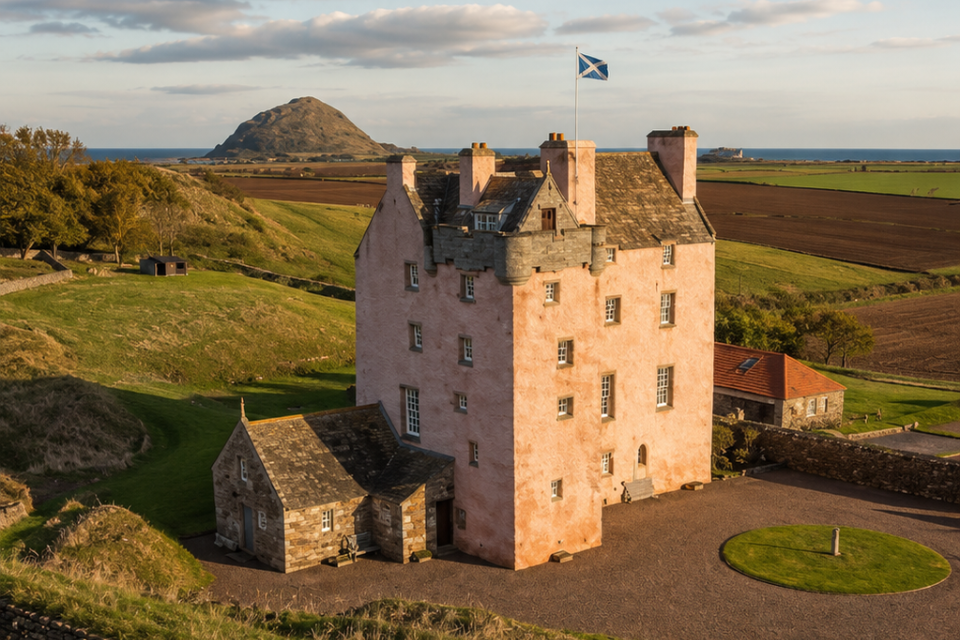
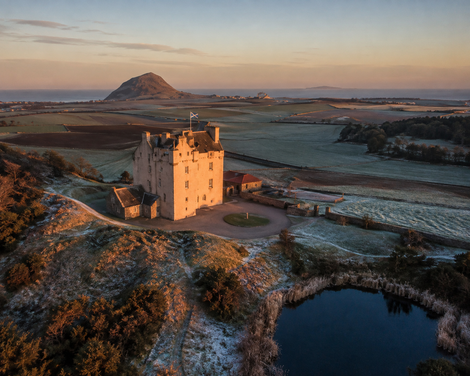
The Lordship and Barony of Fentoun originated in East Lothian, a little inland from North Berwick, within the old territory of Dirleton. Its most visible monument is Fenton Tower, a three-storey L-plan tower house of red rubble on the lower slopes of a rocky hill by the hamlet of Kingston, known in the old charters as Over Sydserf. The ground beneath it has a far older story. On Kingston Hill, a hundred and fifty metres to the north, workmen digging a water trench for the tower's restoration broke into a cemetery that had seen some three thousand years of intermittent use: probable Bronze Age cists, stone-lined long-cist graves, a cross-incised stone and traces of a building, possibly of the twelfth or thirteenth century.
The tower belongs to the 1570s, and to a man of the Border troubles. The lands had been forfeited by Patrick Whitelaw, apparently for his adherence to Queen Mary, and in 1571 passed by escheat to John Carmichael of that Ilk, the Borders soldier, later Warden of the West March, who at the Raid of the Redeswire in 1575 had carried off the English warden, Sir John Forster, as his prisoner. Dendrochronology dates one of the tower's oak joists to a tree felled in 1572, and a panel over the door, now lost, once bore the date 1577 and Carmichael’s initials. He entertained his king there. On 3 May 1592 the king’s English servant Roger Aston reported to the English ambassador from Fenton, “Sir John Carmichael’s house,” that “the King and Queen are here at Fenton,” James VI and Anne of Denmark having come to stay. Eight years later Carmichael was murdered by Armstrongs, who ambushed him on the road to Langholm as he rode to attend a warden court.
Fenton Tower – alternatively spelled as Fentoun Tower, and once known as Over Sydeserf, a name deriving from St. Serf (c.500-c.583), a Scottish saint who proselytized among the pagan Picts of this area in the 6th Century and whose feast day is July 1 – stood in ruins for many years. Between 1998 and 2002, however, it was restored as a private house by Ian Simpson and John Macaskill, working with Historic Scotland: the stone vaulting, floors and stair were reinstated, guided by the surviving fabric and comparable precedents, and it was the digging of the water supply for the restored tower that uncovered the ancient cemetery on Kingston Hill.
As a result of the Abolition of Feudal Tenure Act 2000, the Lordship and Barony of Fentoun no longer has any connection to the lands around Fenton Tower, and it has no connection to the current Fenton Tower Hotel.

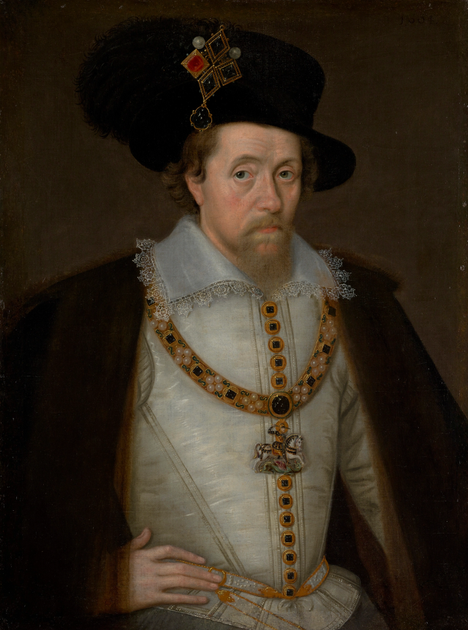
King James VI of Scotland
The dignity of the Lordship and Barony of Fentoun was the creation of James VI of Scotland (a.k.a. James I of England) for a friend since boyhood. Thomas Erskine of Gogar had been schooled with the king, and at Gowrie House in Perth on 5 August 1600 it was Erskine who, with Hugh Herries, killed Alexander Ruthven after John Ramsay had wounded him, before the Earl of Gowrie himself was killed in the melee that followed. When Parliament annexed the forfeited Gowrie estates to the Crown that November, it excepted a third of the barony of Dirleton, with its tower, to be conveyed to “Sir Thomas Erskine of Gogar, knight.”
Erskine rode south with the king in 1603, served as Captain of the Guard from that year, and on 14 March 1606 was created Viscount of Fentoun, one of the earliest viscountcies in the Peerage of Scotland; in June the same year John Ramsay, his fellow swordsman of Gowrie House, became Viscount of Haddington. Around Dirleton, Erskine kept buying: Over Sydserf from the three heir-portioners of Whitelaw, Ferrygate from Kerr of Faldonside, the kirk of Gullane from the Earl of Mar, a third part of Dirleton from the Earl of Home. In 1618, the king erected these accumulated lands into a free lordship and barony, to be called the Lordship and Barony of Fentoun. The following year Erskine was created Earl of Kellie. He died in London in 1639 and was buried at Pittenweem.
Fentoun did not stay long with the Erskines, however. James Maxwell of Innerwick, a Groom of the Bedchamber to Charles I whose appointment as Black Rod in 1620 had drawn complaints about a Scot holding the post, bought Dirleton in 1631. On 4 June that year, at Greenwich, the king granted him a charter under the Great Seal which erected the lands and barony of Fenton Tower, the tenancy of Kingston and other lands “in a whole and free lordship and barony, called the lordship and barony of Fenton.” Parliament ratified the charter in 1633. Maxwell was made Earl of Dirleton in the 1640s and died at Holyrood in 1650, and the Lordship and Barony of Fentoun passed to his grandson James, Lord Cranborne, who in 1668 would succeed as Earl of Salisbury.
In 1663, the estate was bought by Sir John Nisbet, who had defended Montrose in 1641 and who in 1664 became Lord Advocate and took his seat on the bench as Lord Dirleton. In office he prosecuted the Covenanters severely, and he compiled the collection of legal questions still known as “Dirleton's Doubts.” A charter under the Great Seal of 29 February 1664 settled the lands on him and his heirs, who were “to assume and bear the surname and arms of Nisbet,”and Parliament ratified it in 1669.
That ratification gives a remarkably full picture of the Lordship and Barony of Fentoun as it then stood: Over Sydserf, “otherwise called Fenton tower,” whose tower, fortalice and manor place were ordained to be the principal messuage; the lands and tenantry of Kingston; the lands of Barns, “otherwise called Fenton Barns”; Eldbotle; the kirk of Gullane with its teinds; and, added by the charter of 1631, the burgh of barony of Dirleton. The older parcels are each traced back through Kellie and the Maxwells, and the whole was held alongside the separate barony of Dirleton, with Archerfield, West Fenton and Ferrygate. The Nisbets built Archerfield House and seem never to have lived in the tower, which housed lesser tenants or junior members of the family and in time fell into ruin.
Fentoun then descended with Dirleton through the Nisbets for the better part of three centuries. William Hamilton Nisbet's only child, Mary, heiress of Dirleton and one of the great heiresses of her day, married the 7th Earl of Elgin in 1799, the Elgin of the Marbles, and after a divorce that required an Act of Parliament married Robert Ferguson of Raith. Her daughter Lady Mary Bruce carried the estates to Robert Dundas, who took the name Nisbet Hamilton; their daughter Constance, Mrs. Nisbet Hamilton Ogilvy, held them until her death in 1920, when under the entail they passed to Lieutenant-Colonel John Patrick Nisbet Hamilton Grant, DSO, of Kilgraston, a descendant of Mary’s daughter Lady Lucy. By then the tower had been sold to the Simpsons, who farmed Sydserf, and after 1933 the dignity itself passed for a time into divided and corporate ownership.
The Nisbet blood returned to Fentoun in 1955 with Vice-Admiral Basil Charles Barrington Brooke, CB, CBE (1895–1983), whose story could hardly be more exotic. His grandfather, John Brooke Johnson Brooke, was Rajah Muda of Sarawak and heir to the first White Rajah, Sir James Brooke, until the Rajah disinherited and banished him in 1863; his grandmother, Anne Grant of Kilgraston, was Lady Lucy’s daughter, and died at Government House in Kuching twelve days after giving birth to Basil's father. Basil joined the Navy in 1913, played first-class cricket for the Royal Navy and turned out for Singapore in 1927, and in the Second World War had two cruisers lost beneath him to German aircraft – HMS Curlew off Narvik in 1940 and HMS Southampton off Malta in 1941 – before commanding the battlecruiser HMS Renown from 1943 to 1945. He was Naval Aide-de-Camp to King George VI in 1947, retired in 1949 and was promoted Vice-Admiral on the retired list, and in 1950 succeeded his kinsman Nisbet Hamilton Grant at Biel, serving East Lothian as Deputy Lieutenant and Justice of the Peace. He held Fentoun until his death in 1983.
After Brooke’s death the dignity again passed into divided ownership, until in July 2026 it came once more into the hands of a single holder, Professor Christopher A. Ford, CStJ, Baron of Fentoun, whose title was recorded in the Scottish Barony Register on 14 July 2026. The Lordship and Barony of Fentoun thus carries forward, in a single modern dignity, the charters of three Stuart kings, the names of Erskine, Maxwell, Nisbet, and Brooke, and a tower that once sheltered James VI and his queen.
A baron is the lowest rank of nobility in Scotland, situated above esquires and gentlemen but below the more familiar titles of knight and baronet, and a lord is one of the titles that exist in the Scottish baronage. (The various titles in the Scottish baronage are not equivalent to barons in England, for whom the Scottish equivalents are Lords of Parliament.)
Until 2004, noble titles in the Scottish baronage passed to whomever was the owner of the specific lands (e.g., Fenton Tower and its environs) associated with each title. Historically, the holder of such a title enjoyed certain legal rights vis-à-vis the inhabitants of the lands in question, but this is no longer the case. Under the Abolition of Feudal Tenure Act of 2000, Scottish titles ceased to be connected to specific parcels of land, but they remained dignities that could be transferred as property in their own right.
A Scottish barony title brings the holder within the jurisdiction of the Lord Lyon King of Arms, and the holder may upon that basis be granted a coat of arms in Scotland. Today, transfers of titles in the baronage are recorded in the Scottish Barony Register.
Votadini hill-forts built in the region
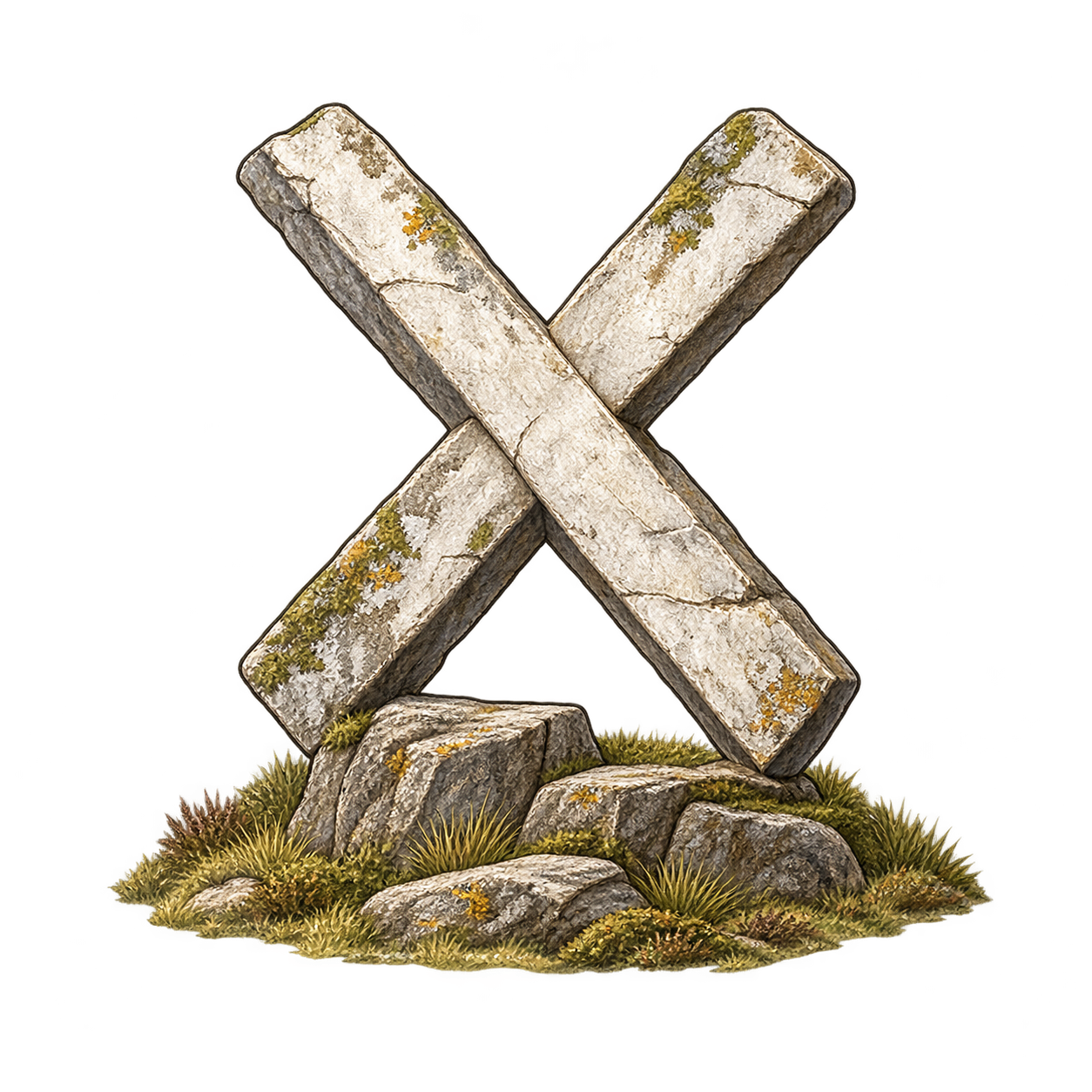
Battle of Athelstaneford; St. Andrew’s Cross becomes Scottish national symbol
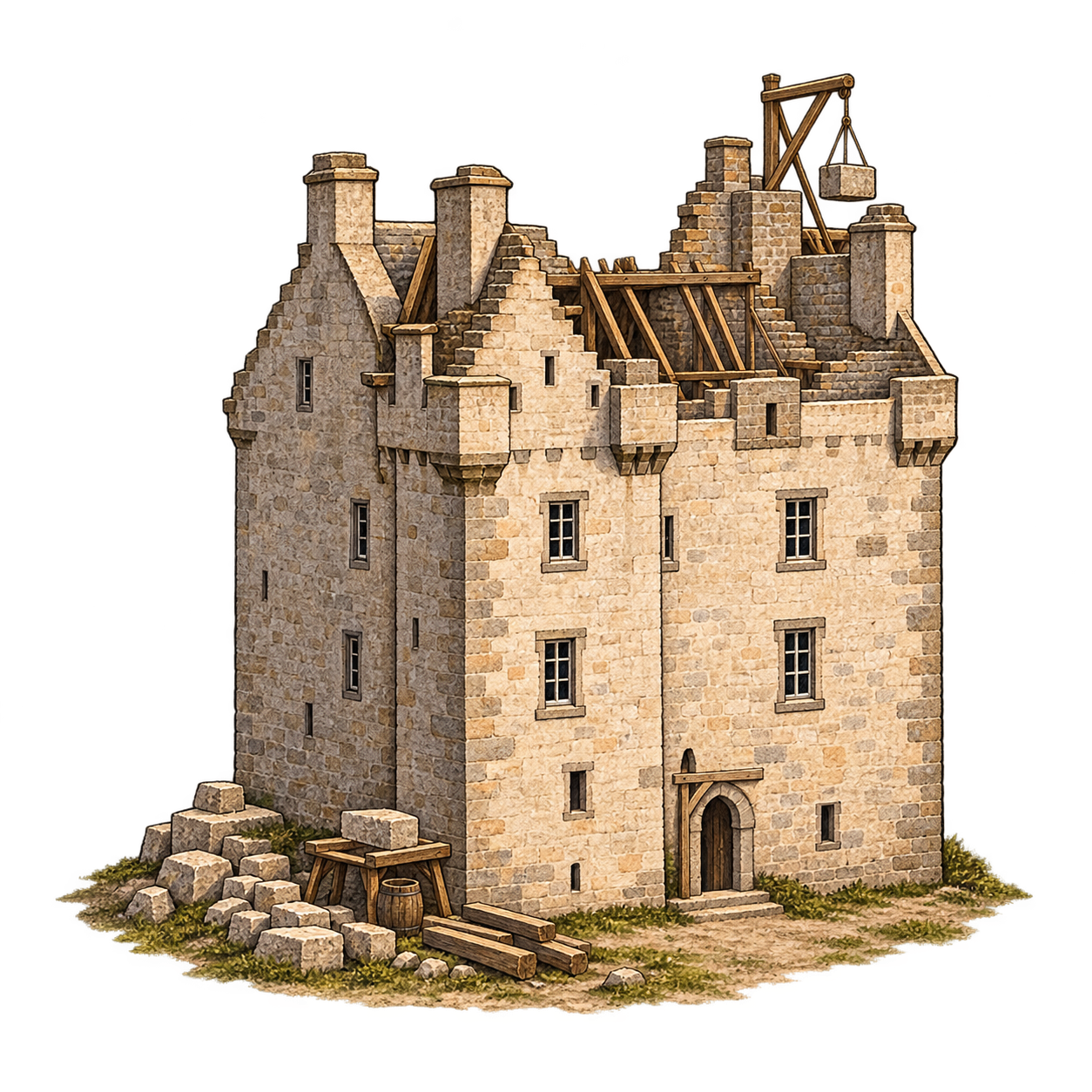
Construction of Fenton Tower
King James VI of Scotland creates Lordship and Barony of Fentoun
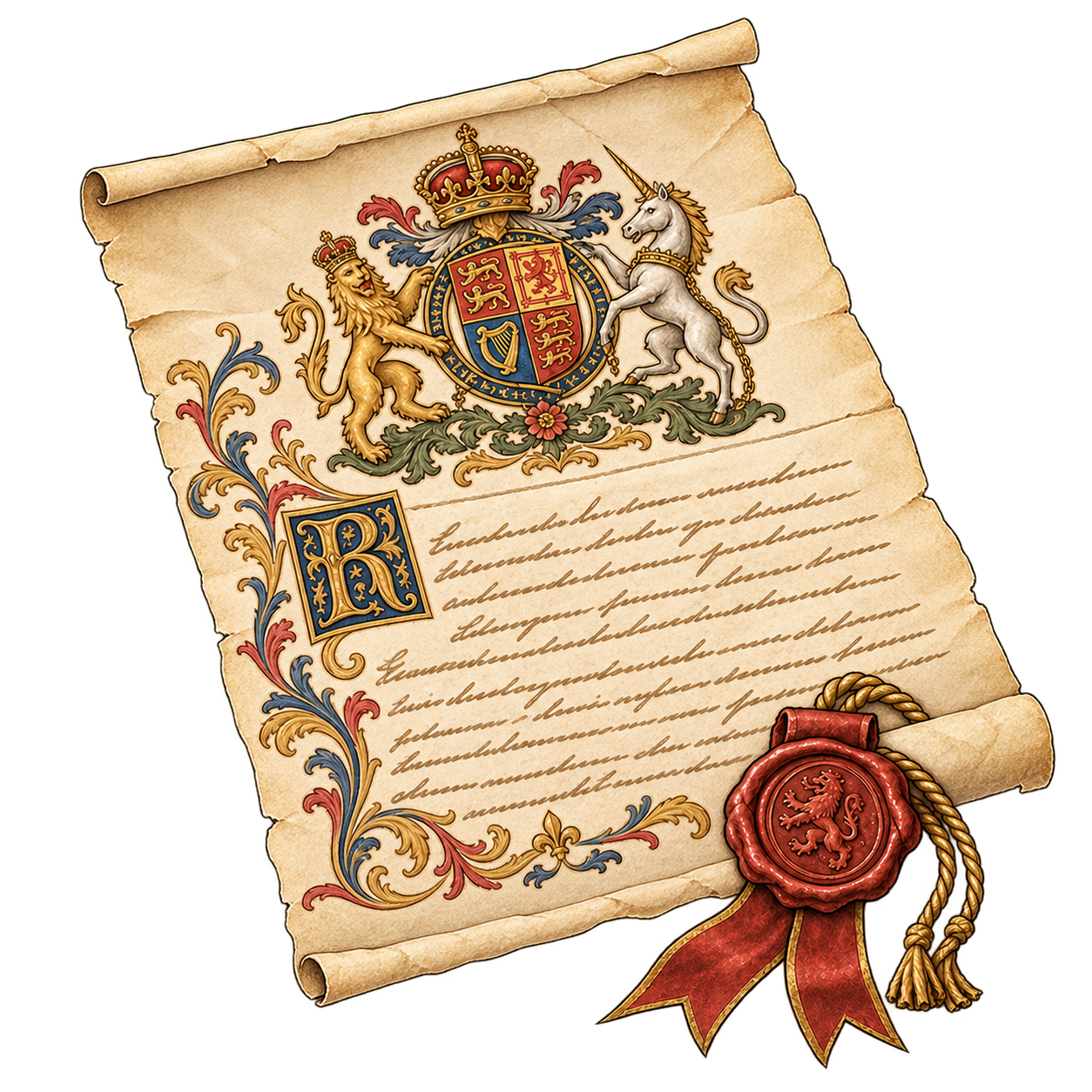
Lands and title regranted by King Charles I of England
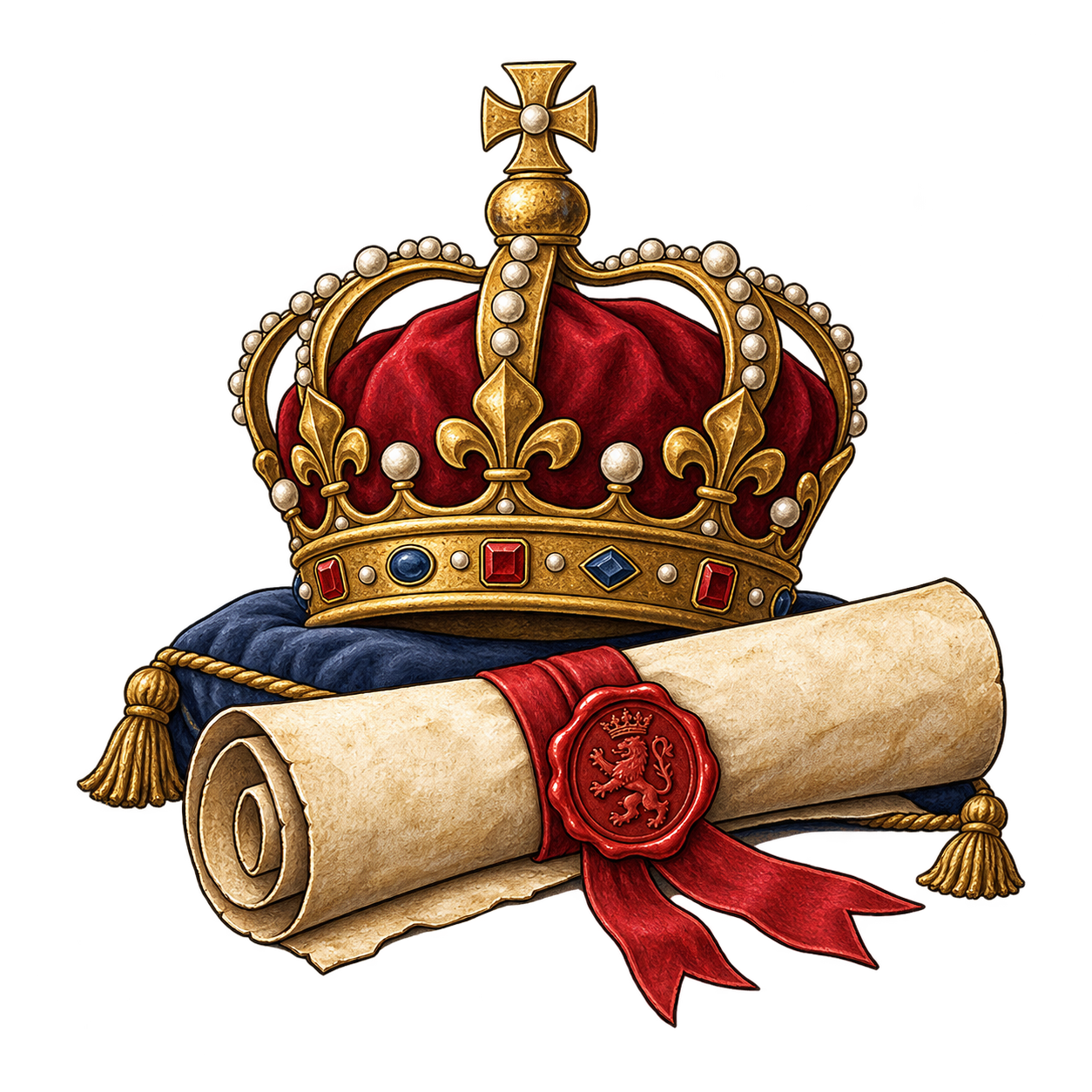
Lands and title regranted by King Charles II
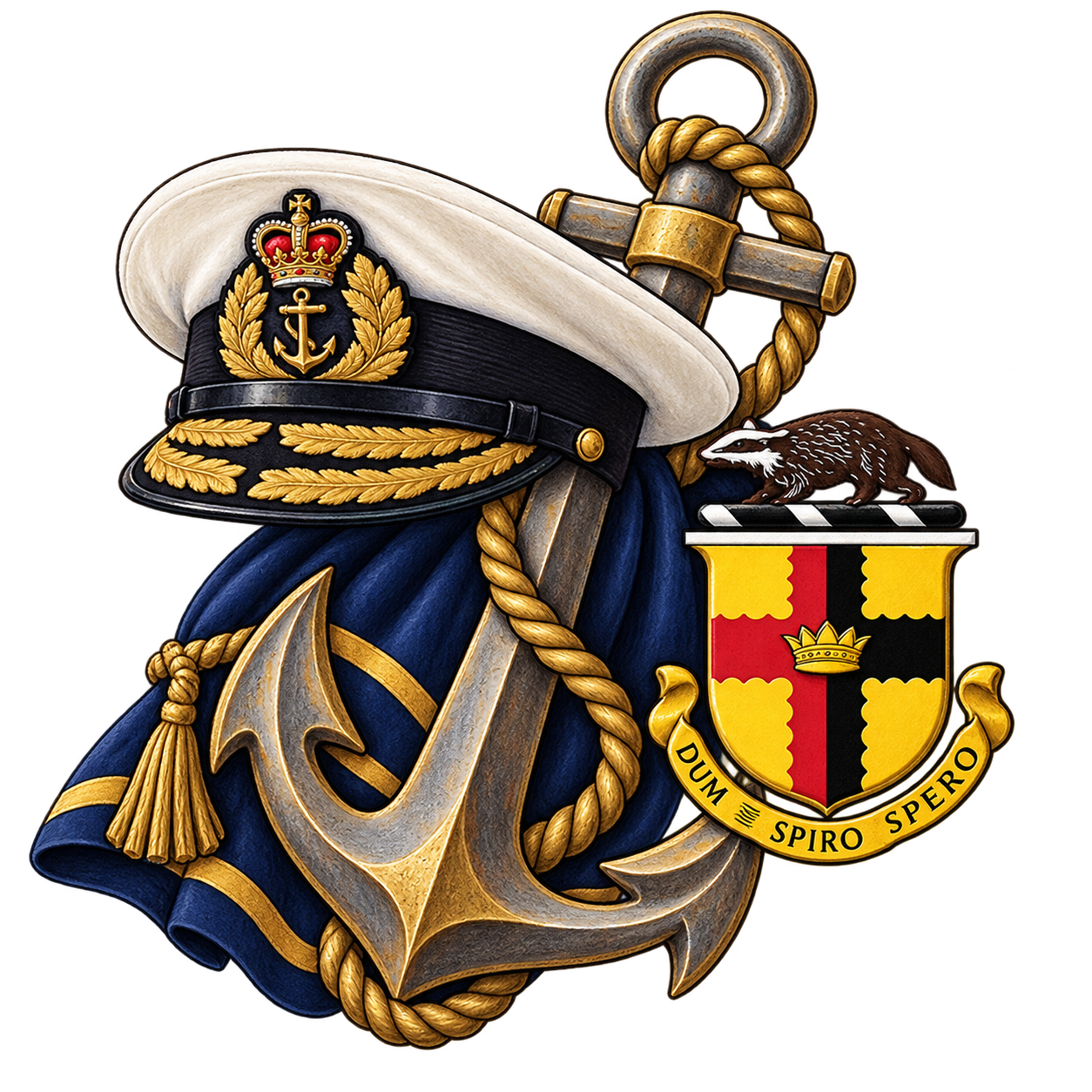
Lands and title held by Vice Admiral Basil Barrington Brooke, of the family of the Rajas of Sarawak
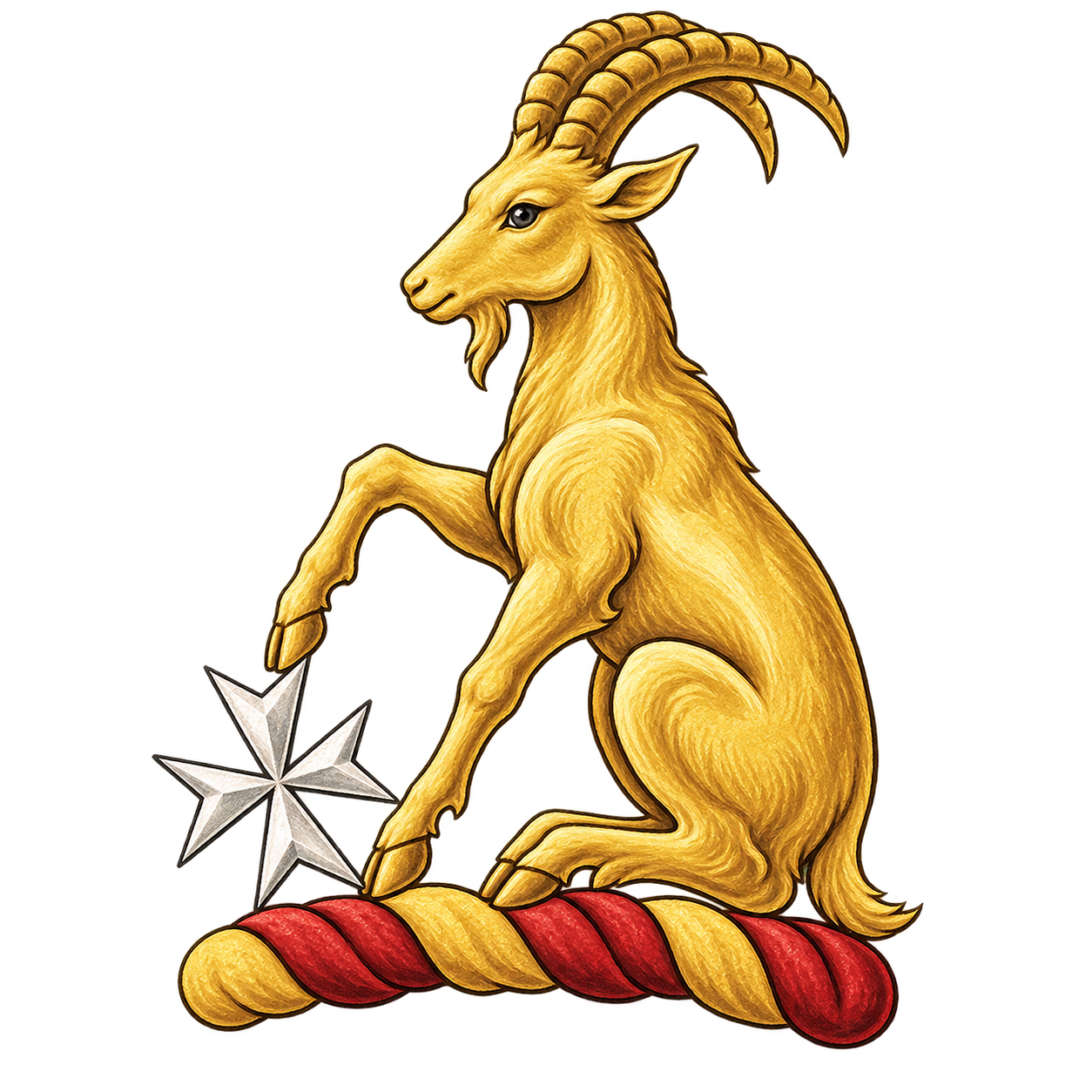
Title passes to the current Baron
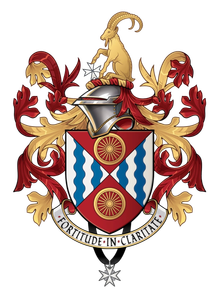
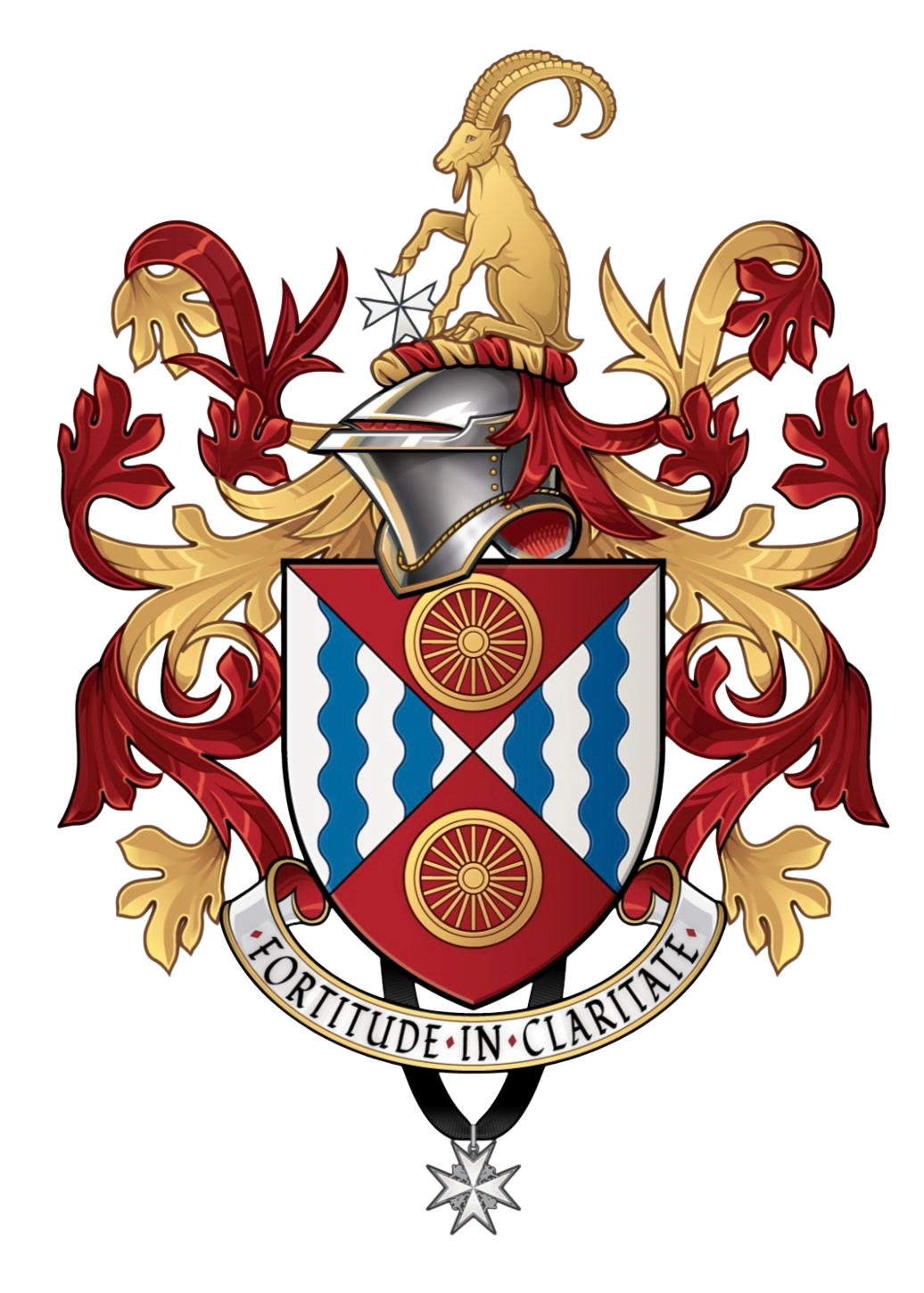
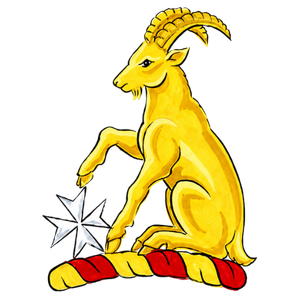
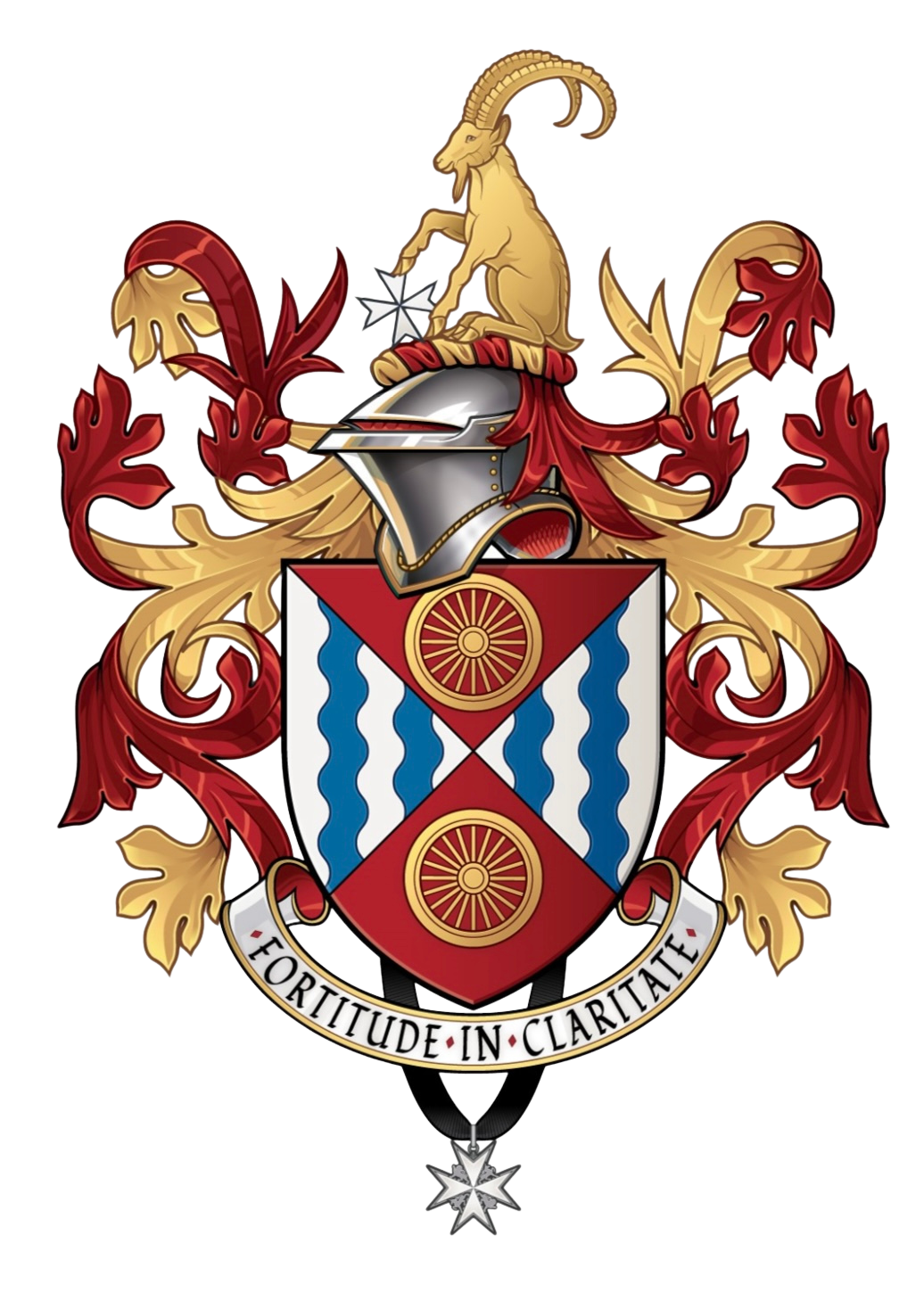
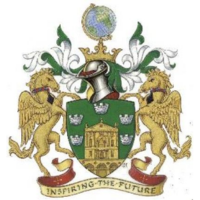
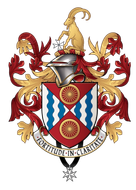
The arms of the current Baron of Fentoun, granted in 2014 by the Royal College of Arms in London. He also holds the rank of Commander in the Most Venerable Order of the Hospital of St. John of Jerusalem, having been granted that rank by HRH Queen Elizabeth II in 2014, as notified in the London Gazette.
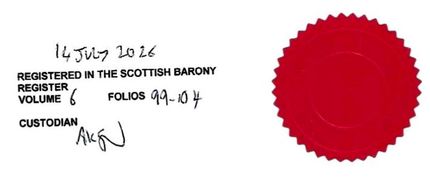
Recorded in the Scottish Barony Register
Officially notified in the Edinburgh Gazette (Official Notice)
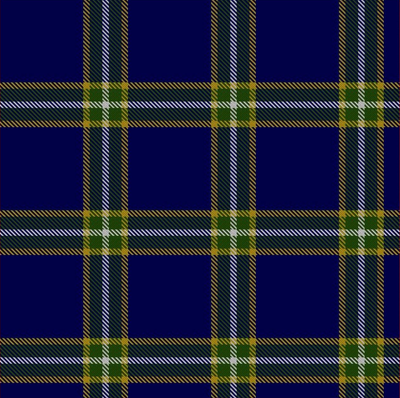
The Fentoun personal tartan of the current Baron is registered with the official Scottish Registry of Tartans.
The deep blue of the North Sea grounds this tartan. This blue pairs with the green of the East Lothian hills around Fentoun Tower to symbolize the lands of the Eastern Lowlands; with the white stripe, it evokes the St. Andrew’s Cross of the national Saltire (which legendarily originated in this area after a great Pictish vistory in 833 AD); and it pairs with gold to evoke the colours of the current Baron of Fentoun’s Oxford dining society, The Stoics.
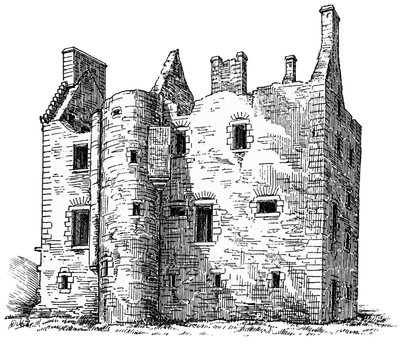
A stronghold for centuries—a landmark of East Lothian heritage.
In 2026, this noble title passed once again into the hands of a single title holder, Professor Christopher Ashley Ford, CStJ, FRSA – an academic, former naval officer, and former senior diplomat in the United States of America – who became Baron of Fentoun on July 10 of that year and is honoured to have the chance to bring this proud old title back into a single family line. His wife, Lady Fentoun, is Mrs. Schuyler McIntosh Ford; their daughter, the Maid of Fentoun, lives in New York City.



A historic Scottish territorial dignity, rooted in the ancient lands of East Lothian.

All Rights Reserved. | Lordship and Barony of Fentoun
This title is today a purely incorporal personal dignity and no longer has any connection to Fenton Tower, the surrounding estate, the Fenton Tower Hotel, or any form of governmental authority.